Ever pulled a batch of caramel out of the pot only to find it’s the texture of shoe leather—or worse, a sugary puddle that never set? You followed the recipe to the letter… except you forgot one tiny thing: your candy thermometer might be lying to you. And trust me, I’ve been there—standing in my kitchen at 11 p.m., glaring at a $25 jar of burnt sugar, wondering why my “soft-ball stage” turned into a hard-crack disaster. Spoiler: my thermometer was off by 8°F.
If you’re serious about candy-making—whether you’re crafting brittle for holiday gifts or perfect fudge for Sunday brunch—knowing how to test candy thermometer accuracy isn’t optional. It’s non-negotiable. In this guide, you’ll learn:
- The two scientifically backed methods to verify your thermometer’s accuracy
- A real-world calibration trick I use before every major candy session
- Why even digital thermometers can drift (and how to fix it)
- What NOT to do (yes, boiling tap water counts)
Table of Contents
- Why Thermometer Accuracy Matters in Candy-Making
- Step-by-Step: How to Test Candy Thermometer Accuracy
- Best Practices for Consistently Reliable Readings
- Real-World Case Study: When Calibration Saved Christmas Fudge
- FAQs About Testing Candy Thermometers
Key Takeaways
- Candy stages depend on precise temperature ranges—often within 2–5°F.
- Use the ice-water method (32°F/0°C) and boiling-water method (212°F/100°C at sea level) to test accuracy.
- Altitude affects boiling point—adjust expectations accordingly.
- Most analog candy thermometers can be manually calibrated; many digital ones cannot.
- Test your thermometer before every critical candy project—it takes 3 minutes and saves hours of heartbreak.
Why Thermometer Accuracy Matters in Candy-Making
Candy-making isn’t baking—it’s chemistry. Sugar transforms through distinct physical stages based entirely on temperature:
- Soft ball (235–240°F): fudge, fondant
- Hard crack (300–310°F): toffee, brittles
- Caramelization (320–350°F): amber depth without burning
As the USDA notes, “A difference of just 5°F can result in a completely different texture outcome” (USDA Food Safety Guidelines, 2022). Miss your target by 7°F? Your fudge turns grainy. Overshoot by 10°F? That brittle becomes inedible glass.
I once taught a beginner’s candy class where three students used the same recipe—but only one succeeded. Why? Two had untested thermometers reading 7°F and 11°F high. Their sugar boiled past soft-ball into firm-ball territory before they knew it.
Step-by-Step: How to Test Candy Thermometer
Testing your candy thermometer is faster than preheating your oven—and infinitely more impactful. Here’s how to do it right, using two trusted methods endorsed by culinary institutes like Le Cordon Bleu and America’s Test Kitchen.
Method 1: The Ice-Water Test (Checks 32°F / 0°C)
Optimist You: “This is easy—just stick it in ice!”
Grumpy You: “Ugh, fine—but if you just toss cubes in a glass and call it ‘ice water,’ I swear…”
Do it properly:
- Fill a tall glass with crushed ice (not cubes—they create air gaps).
- Add cold distilled water until the ice is saturated but not floating.
- Stir gently for 15 seconds, then insert the thermometer probe—ensuring it doesn’t touch glass or ice.
- Wait 30 seconds. It should read **exactly 32°F (0°C)**.
If it reads 34°F? Your thermometer is +2°F off. Note that offset—every reading will be 2° high.
Method 2: The Boiling-Water Test (Checks 212°F / 100°C at Sea Level)
Warning: This test is altitude-sensitive. Boiling point drops ~1°F per 500 ft above sea level. (Use NOAA’s boiling point calculator to get your local baseline.)
- Bring a deep pot of distilled water to a rolling boil.
- Suspend the thermometer in the center—no touching sides or bottom.
- Wait 1 minute for stabilization.
- Compare to your adjusted boiling point (e.g., 208°F at 2,000 ft elevation).
If your thermometer reads 210°F at sea level? It’s -2°F off. Calibrate accordingly.
Can You Calibrate It?
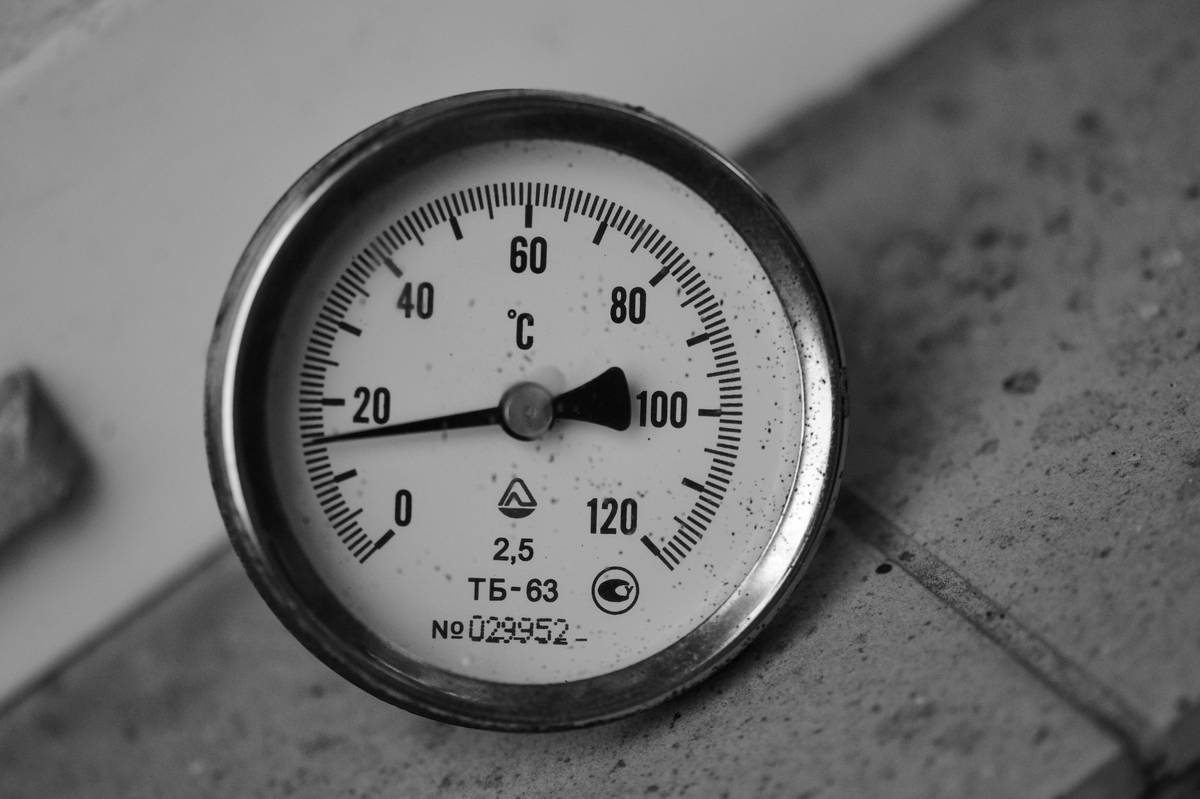
Analog dial thermometers: Most have a calibration nut under the head. Use pliers to gently turn it until the needle hits 32°F in ice water.
Digital thermometers: Many can’t be physically adjusted—but you can mentally compensate (“My Thermapen reads +3°F, so I subtract 3 from all readings”).
Best Practices for Consistently Reliable Readings
Testing once isn’t enough. Follow these pro habits to keep your readings trustworthy:
- Test before every major candy session. Thermal shock from storage or dishwashing can shift calibration.
- Never let the probe touch pot surfaces. Metal conducts heat differently than liquid sugar—causing false highs.
- Use distilled water for tests. Minerals in tap water alter boiling/freezing points.
- Avoid rapid temperature swings. Don’t plunge a room-temp thermometer into boiling syrup—it can crack glass or damage sensors.
- Store it safely. Hang it or lay it flat—bending the probe warps accuracy.
Terrible Tip Disclaimer: “Just eyeball it—you’ll get the hang of it!” Nope. Human eyes can’t distinguish between 238°F and 242°F. Guessing = wasted ingredients and frustration.
Real-World Case Study: When Calibration Saved Christmas Fudge
Last December, my neighbor Sarah called in a panic. Her annual fudge gift boxes—beloved by the whole block—were turning out crumbly and dry. She’d used the same recipe for 12 years. I asked one question: “Have you tested your thermometer lately?”
She hadn’t. We ran the ice-water test. Her vintage Taylor thermometer read 38°F. That’s +6°F off!
We recalibrated it using the nut adjustment, re-ran the test (32°F confirmed), and she remade a small batch. Result? Silky, melt-in-your-mouth fudge that saved her holiday tradition.
Lesson: Even beloved, long-used tools degrade. Trust, but verify.
FAQs About Testing Candy Thermometers
How often should I test my candy thermometer?
Before every important candy project—and anytime it’s been dropped, stored improperly, or washed in hot water.
Can I use tap water for the ice or boiling test?
No. Impurities in tap water alter freezing/boiling points. Distilled water ensures scientific accuracy.
My digital thermometer can’t be calibrated—what now?
Note the offset (e.g., “+4°F”) and mentally adjust all readings. Or replace it with a recalibratable model like ThermoWorks DOT or CDN ProAccurate.
Does altitude affect the ice-water test?
No—freezing point remains 32°F regardless of elevation. Only boiling point changes with altitude.
What if my thermometer is off by more than 10°F?
Replace it. Large deviations indicate sensor failure or irreversible damage.
Conclusion
Knowing how to test candy thermometer accuracy is the secret weapon of every successful candy-maker—from grandmothers crafting pecan pralines to professional chocolatiers tempering ganache. It takes three minutes, prevents costly mistakes, and turns anxiety into confidence.
So next time you’re about to candy-coat apples or swirl spun sugar, pause. Grab ice. Grab water. Test it. Because perfect candy isn’t luck—it’s precision.
And if your thermometer passes? Treat yourself to a bite of that flawless fudge. You’ve earned it.
Like a 2000s flip phone, some tools never go out of style—but they still need regular checks to work right.
Ice chips swirl slow,
Thermometer dips true—
Sweet victory blooms.